How Much to Feed a Puppy: A Puppy Feeding Guide
Knowing how much to feed a puppy is an important part of supporting healthy growth and development. While feeding guidelines on your puppy food provide a helpful starting point, every puppy is different. Breed, age, size, activity level, metabolism, and body condition can all influence how much food your puppy actually needs.
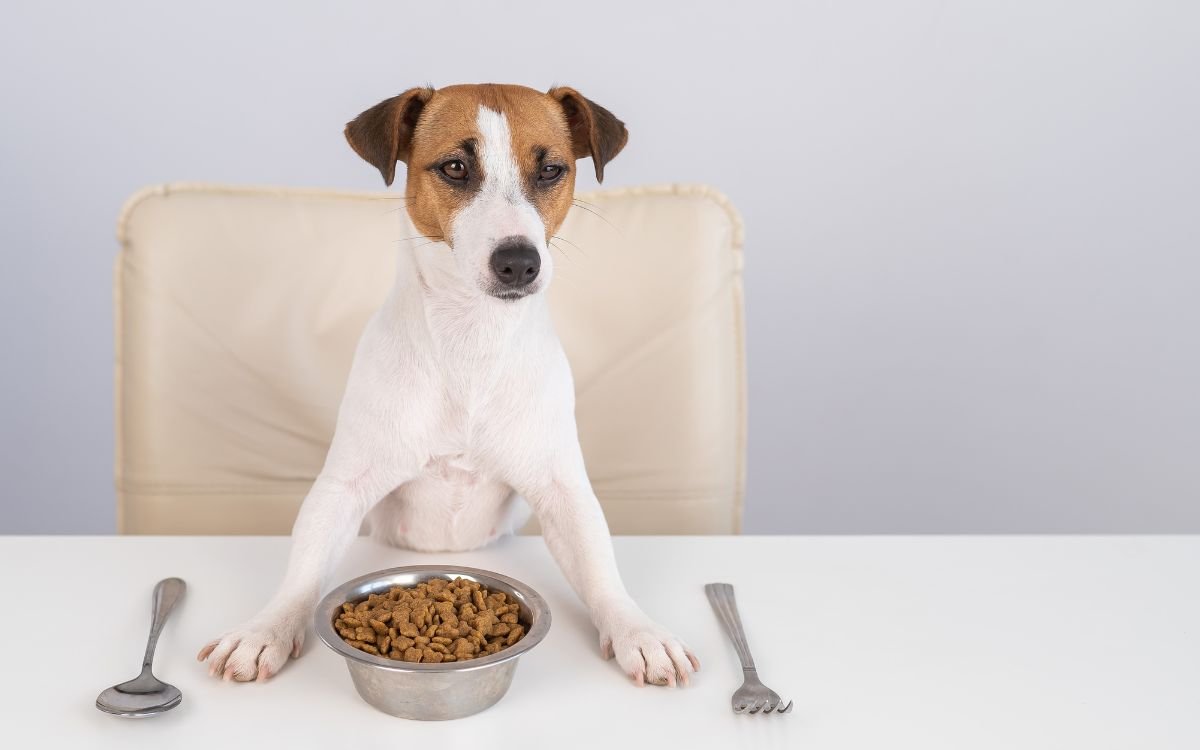
There’s a useful saying when it comes to feeding a puppy: “Watch the dog, not the dish.”
In other words, don't judge whether your puppy is eating enough simply by how much food disappears from the bowl. Instead, pay attention to their growth, energy level, body condition, and overall health.
How Much Should You Feed a Puppy?
There isn't one perfect portion size for every puppy. A small-breed puppy and a large-breed puppy can have very different nutritional needs, and even two puppies of the same breed and age may require different amounts of food.
Start with the recommended feeding amount provided by your puppy food manufacturer and adjust as necessary based on your puppy's development and your veterinarian's guidance.
Your puppy should steadily grow without becoming excessively thin or overweight.
Pay Attention to Your Puppy's Body Condition
Body condition can be more useful than focusing exclusively on how much food your puppy eats at each meal.
If your puppy is gaining excessive weight or developing a consistently oversized belly, it may be worth reviewing their portion sizes. Treats, chews, table scraps, and training rewards should also be considered because they contribute to your puppy's overall daily calorie intake.
On the other hand, if your puppy isn't gaining weight as expected, seems unusually lethargic, or constantly appears hungry despite regular meals, talk with your veterinarian. These signs can have several causes and shouldn't automatically be addressed by simply adding more food.
What If Your Puppy Skips a Meal?
An otherwise healthy puppy occasionally showing less interest in a meal isn't necessarily unusual. As puppies grow, their appetite and feeding needs can change.
If your puppy regularly leaves food behind, you may be serving more than they need or they may be approaching an age where their puppy feeding schedule should change.
However, age matters. Very young or small puppies can be more vulnerable when they aren't eating normally. Persistent appetite loss, vomiting, diarrhea, weakness, lethargy, or other concerning symptoms should be discussed with your veterinarian.
How Often Should You Feed a Puppy?
Your puppy's age plays an important role in determining how often to feed a puppy. Younger puppies generally require more frequent meals, while older puppies can gradually transition to fewer meals per day.
Rather than making sudden changes, adjust your puppy's feeding schedule gradually as they grow.
Consistency can also make feeding easier. Offering meals around similar times each day can help establish a predictable routine and make it easier to notice changes in your puppy's normal appetite.
Finding the Right Puppy Portion Size
Ultimately, determining how much to feed a puppy requires paying attention to the individual dog in front of you.
Use feeding guidelines as your starting point, monitor your puppy's body condition and growth, account for treats and snacks, and make adjustments when necessary.
Remember: watch the dog, not just the dish.
A healthy puppy feeding routine isn't about making sure every bowl is completely empty. It's about providing the right amount of nutrition to support healthy growth, energy, and development throughout puppyhood.