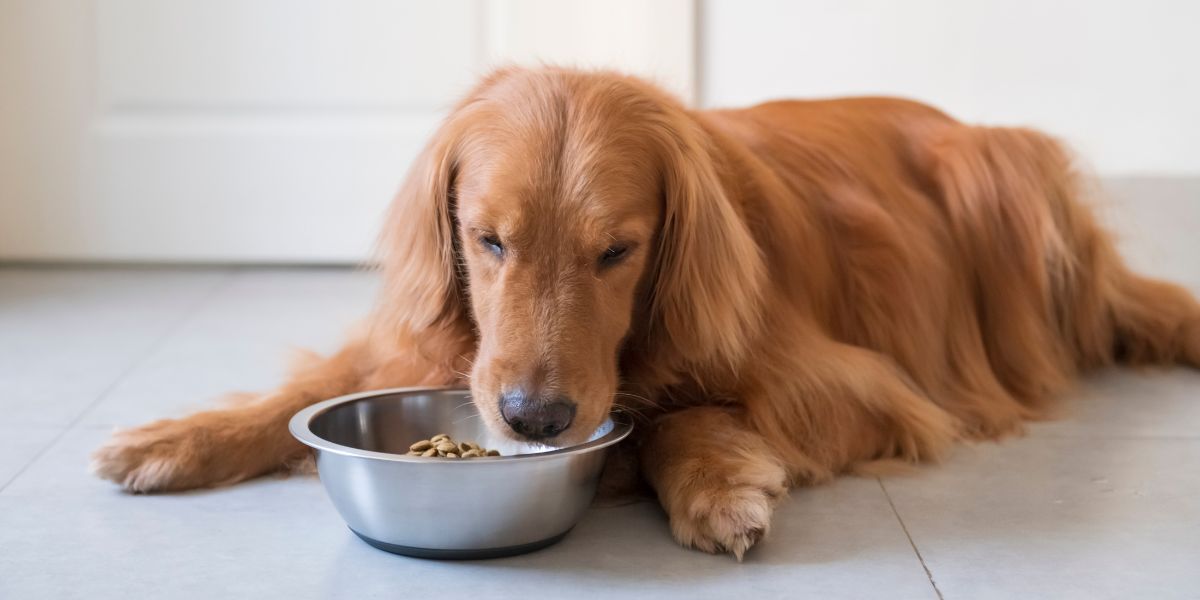
Nutrition is one of the most important things you can get right during your dog's pregnancy. Feed too much too early and you risk complications at delivery. Feed too little in the final weeks and you risk weak, underdeveloped puppies.
Here's the complete picture, broken down by stage.

The Most Common Mistake: Overfeeding Early
One of the most well-documented mistakes new breeders make is dramatically increasing their dog's food from the moment they confirm pregnancy. According to VCA Animal Hospitals, a dog's energy requirements don't actually increase until the third trimester - around week five or six. Overfeeding in weeks 1 through 4 leads to excessive weight gain, which increases the risk of difficult labor and delivery complications.
An overweight dog going into labor is significantly more likely to have prolonged labor, require intervention, and experience stress on the puppies.
The AKC recommends a body condition score of 5 out of 9 (ideal weight) throughout early pregnancy. Your goal in weeks 1-4 is to maintain - not increase.
Stage 1: Weeks 1 Through 4 - Maintain Her Normal Diet
During the first month of pregnancy, no caloric increase is needed. Continue feeding her regular, high-quality diet in normal amounts.
What your food should include at this stage:
- At least 29% protein
- At least 17% fat
- High-quality, digestible carbohydrates
- Low fiber content
- Balanced calcium and phosphorus
Resist the urge to add supplements without veterinary guidance - over-supplementing calcium can actually trigger the very complications it's meant to prevent, including a dangerous condition called eclampsia.

Stage 2: Weeks 5 Through 6 - Begin the Transition
By week five, the fetuses are growing rapidly and your dog's energy needs begin climbing.
Gradually increase her food intake. Start adding 10-15% more food per week rather than making a sudden jump. The goal by the end of pregnancy is roughly 25-50% more than her normal intake.
Switch to puppy food or an all-life-stages formula. Puppy food is calorie-dense, higher in protein and fat, and formulated to support growth. If you switch foods, do it slowly over 5-7 days to avoid digestive upset.
Note: Large-breed puppy formulas may not be appropriate for this use due to adjusted mineral content. Ask your vet for a recommendation specific to your dog's size.
Shift to multiple smaller meals. As the puppies grow, they compress her stomach. Three to four smaller meals throughout the day is more effective than one or two large ones.
Stage 3: Weeks 7 Through 9 - Peak Nutrition Demand
The third trimester is the most nutritionally demanding period of pregnancy. According to VCA Animal Hospitals, a dog's daily caloric needs may be 30-60% higher than normal during weeks 6 through 8, depending on litter size.
Key priorities:
- Continue feeding puppy food or an all-life-stages formula
- Feed 3-4 small meals per day
- Ensure access to fresh water at all times
- Monitor her weight - total weight gain throughout pregnancy should ideally be 15-25% above her pre-breeding weight
By the last week before delivery, some dogs lose interest in food almost entirely. This is normal. Don't force it. Her body is preparing for labor.

What About Supplements?
The general consensus from veterinary nutritionists: if your dog is eating a high-quality, complete and balanced commercial diet, she doesn't need additional supplements.
- Calcium supplements are not recommended unless prescribed by a vet. Over-supplementing calcium can cause eclampsia, which is potentially fatal.
- Vitamin A and E in excess can be harmful to developing puppies.
- DHA (omega-3 fatty acid) has shown real benefits for puppy brain and vision development. A fish oil supplement recommended by your vet can be beneficial.
- Folic acid has some evidence of supporting healthy development. Discuss with your vet before breeding.
A Simple Feeding Timeline
| Weeks 1-4: | Current high-quality adult food, normal portions |
| Week 5: | Begin transitioning to puppy food, normal amount plus 10% increase |
| Week 6: | Puppy food or all-life-stages, normal plus 20-25% increase, split into 3 meals |
| Weeks 7-8: | Puppy food, up to 50% more, 3-4 meals daily |
| Week 9: | Puppy food, offer freely - appetite may decrease near labor |

Hydration Matters Too
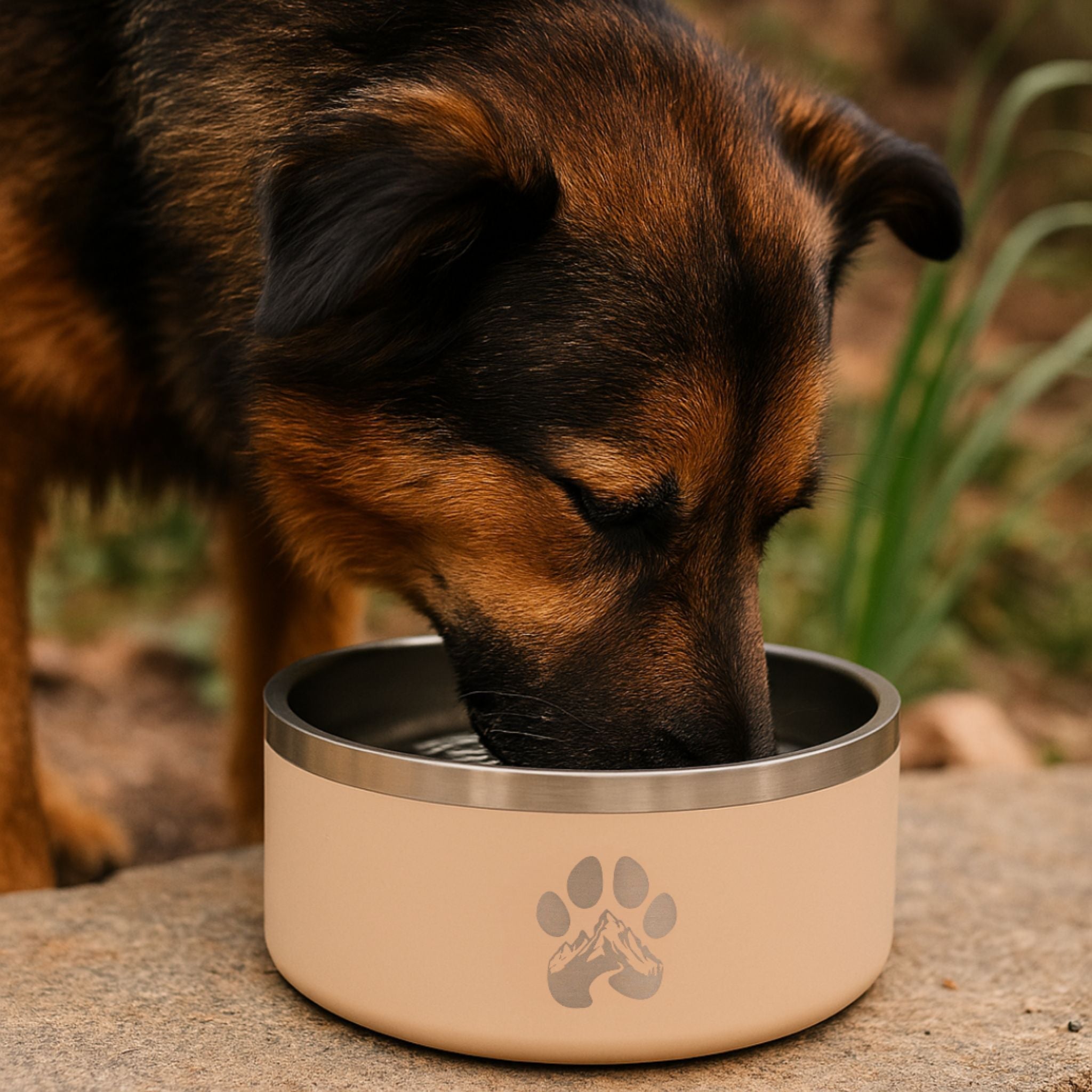
Pregnant dogs need significantly more water than usual, and this need increases dramatically after delivery when milk production begins. Keep her water bowl filled and clean. Stainless steel bowls are reccommended for the best water quality. If she's reluctant to drink, try adding a small amount of low-sodium bone broth to her water.
Products We Recommend
Throughout pregnancy, clean-ingredient, nutrient-dense treats can help supplement her nutrition between meals. Our Beef Blood is a small-batch single ingredient freeze dried meal topper - great low fat option to boost protein and other nutrients during mealtimes.
Our freeze-dried treat collection is also a great option - single-ingredient, high-protein treats you can feel good about giving during pregnancy.
Always consult your veterinarian before making changes to your pregnant dog's diet, especially regarding supplements.
Sources: AKC, VCA Animal Hospitals, IAMS, Dogster, Your Vet Online, ScienceDirect (Veterinary Clinics of North America)