If your dog keeps circling, shifting, or abandoning their bed altogether, the problem may not be the routine. It may be the bed. An orthopedic dog bed can give your dog better cushioning, steadier support, and a more comfortable place to settle down.
The good news is that you do not need to guess. Once you know the warning signs, you can tell whether your dog's current bed is helping or quietly working against their comfort. You can also choose a replacement with more confidence, whether you live with a senior dog, a growing pup, or a large, active dog that needs more support.

This guide covers seven clear signs that it may be time to upgrade, what those signs can tell you about your dog's rest, and what to look for in a better bed. If you want a deeper look at premium materials and construction, Wasatch Pup's Premium Dog Products, Why Quality Matters pairs well with this topic.
- Frequent shifting, stiffness, or choosing the couch can all point to a bed that no longer feels supportive.
- A bed that has gone flat, sagged, or developed lumps is often ready for replacement.
- Orthopedic dog beds are not just for senior dogs, because younger and active dogs can benefit too.
- Look for supportive foam, enough thickness, the right size, easy cleaning, and durable materials.
- If your dog seems painful or increasingly stiff, check with your veterinarian as well as upgrading their bed.
Signs your dog may need an orthopedic dog bed
Your dog's bed should help them settle, stretch, and wake up comfortably. If it no longer does that job, their behavior usually gives you clues. The trick is knowing which clues matter most and what they suggest about the bed underneath them.
These signs are especially useful for older dogs, large dogs, and dogs that recover slowly after activity. They also matter for younger dogs that are still growing or simply like a softer, more supportive place to rest.
1. Notice frequent position changes and trouble settling
If your dog keeps switching positions, circling several times, or getting on and off the bed, they may be struggling to get comfortable. A dog that cannot settle is often telling you the surface is too hard, too flat, or not shaped for the way they sleep.
Some dogs flop down, get up again, and try a second spot on the same bed. Others move from the bed to the floor and back again. That pattern usually means the bed is not giving them the kind of steady support they prefer.
2. Check whether the bed has flattened to the floor
A quick test can tell you a lot. Press down on the bed where your dog normally lies, then notice whether you can feel the floor through the padding. If the fill compresses almost all the way, the bed has lost the cushioning your dog needs.
This matters even more for heavier dogs, because weight can wear out thin padding quickly. A bed that looks fine from a distance may still be too flat to protect joints and pressure points during rest.
3. Watch for stiffness after your dog gets up
Some stiffness after a nap can happen, especially after a long sleep or hard play. Still, if your dog regularly takes a few moments to loosen up, their bed may not be offering enough support for comfortable recovery.
That does not mean the bed is the only cause. Persistent stiffness, limping, pain, or a major change in movement should be discussed with your veterinarian. A supportive sleep surface can help, but it should not replace medical advice.
4. See if your dog keeps choosing the couch or your bed
Dogs are good at voting with their paws. If your dog consistently chooses the couch cushions or your bed instead of their own spot, they may be seeking thicker padding or a firmer base.
That preference often shows up in homes with multiple sleeping options. If your dog keeps returning to the softest furniture in the room, their own bed may simply not be matching what their body wants anymore.
5. Look for sagging, lumps, and worn-out support
Dog beds do not last forever. Over time, fill shifts, foam breaks down, and the sleeping surface stops feeling even. You may notice dips, hard spots, or bumpy areas where the bed used to feel smooth.
Other warning signs include torn seams, permanent odors, or a cover that no longer feels fresh after washing. Once a bed stops holding its original shape, it usually stops offering dependable support too.
6. Notice whether your dog has outgrown the bed size
A bed can be the wrong size even if it still looks new. If your dog hangs off the edge, curls into a cramped ball because they cannot stretch out, or keeps shifting to find room, they likely need a larger option.
Growing dogs often need size upgrades sooner than owners expect. Large breeds and long-bodied dogs also need extra space for natural sleeping positions, especially if they like to sprawl, curl, or rest with their legs extended.
7. Pay attention to age, activity level, and recovery needs
Age is one of the clearest reasons to reconsider a bed, but it is not the only one. Senior dogs often need more cushioning and joint-friendly support, while active dogs may need a more comfortable place to recover after exercise.
Younger dogs can benefit too. A growing puppy, an athletic adult, or a large breed may all do better with a well-made bed that supports their body instead of flattening under them. An orthopedic pet bed is not just a senior-dog solution.
How to choose the right orthopedic dog bed for better rest
Once you know your dog may need an upgrade, the next step is choosing a bed that fits how they sleep. The best option gives them enough space, enough thickness, and enough support to stay comfortable through the night and after naps.
It also needs to fit real life. A bed that is hard to clean, easy to wear out, or too small for your dog's body will not stay useful for long. If you are comparing options, an orthopedic memory foam dog bed is usually a strong place to start because it focuses on support first.
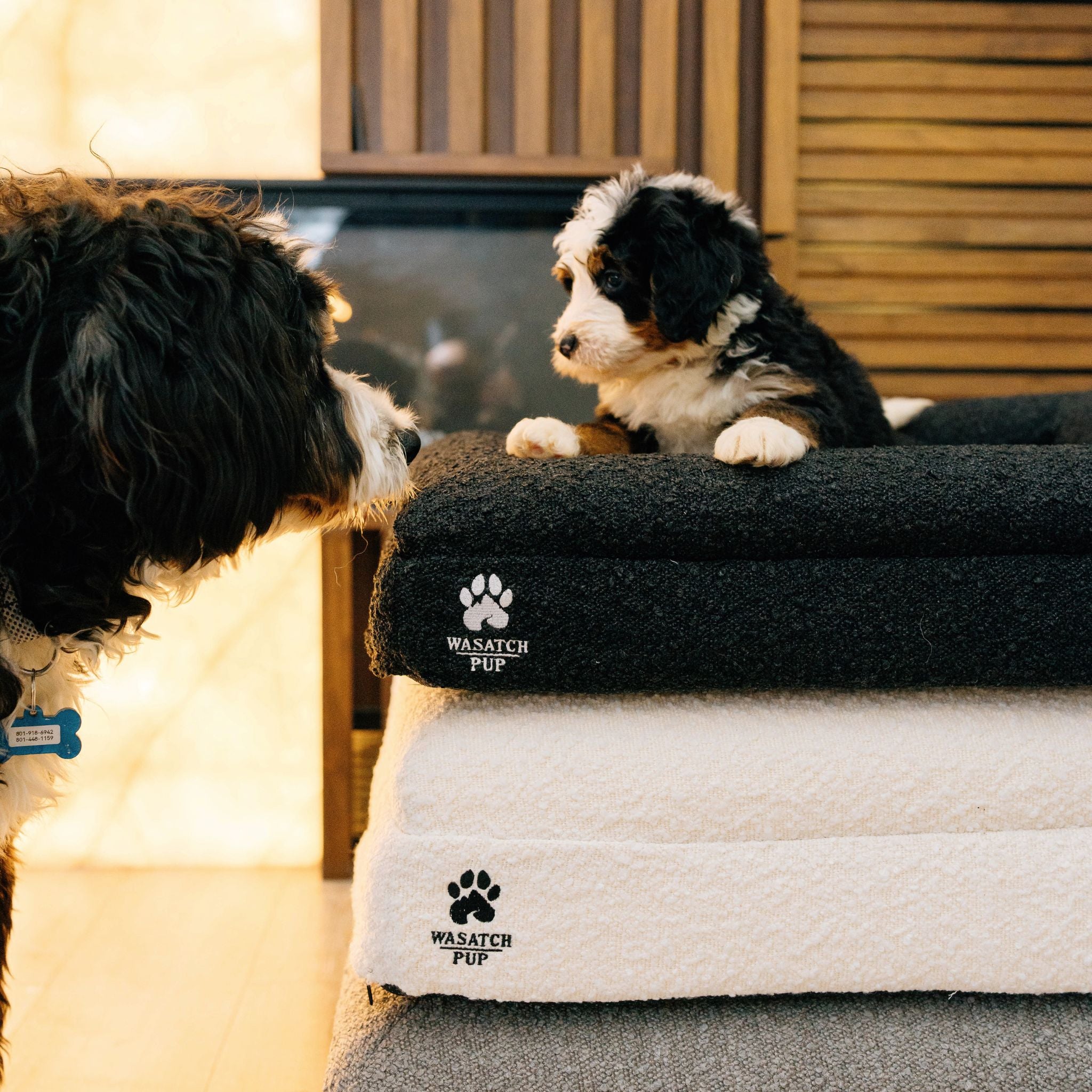
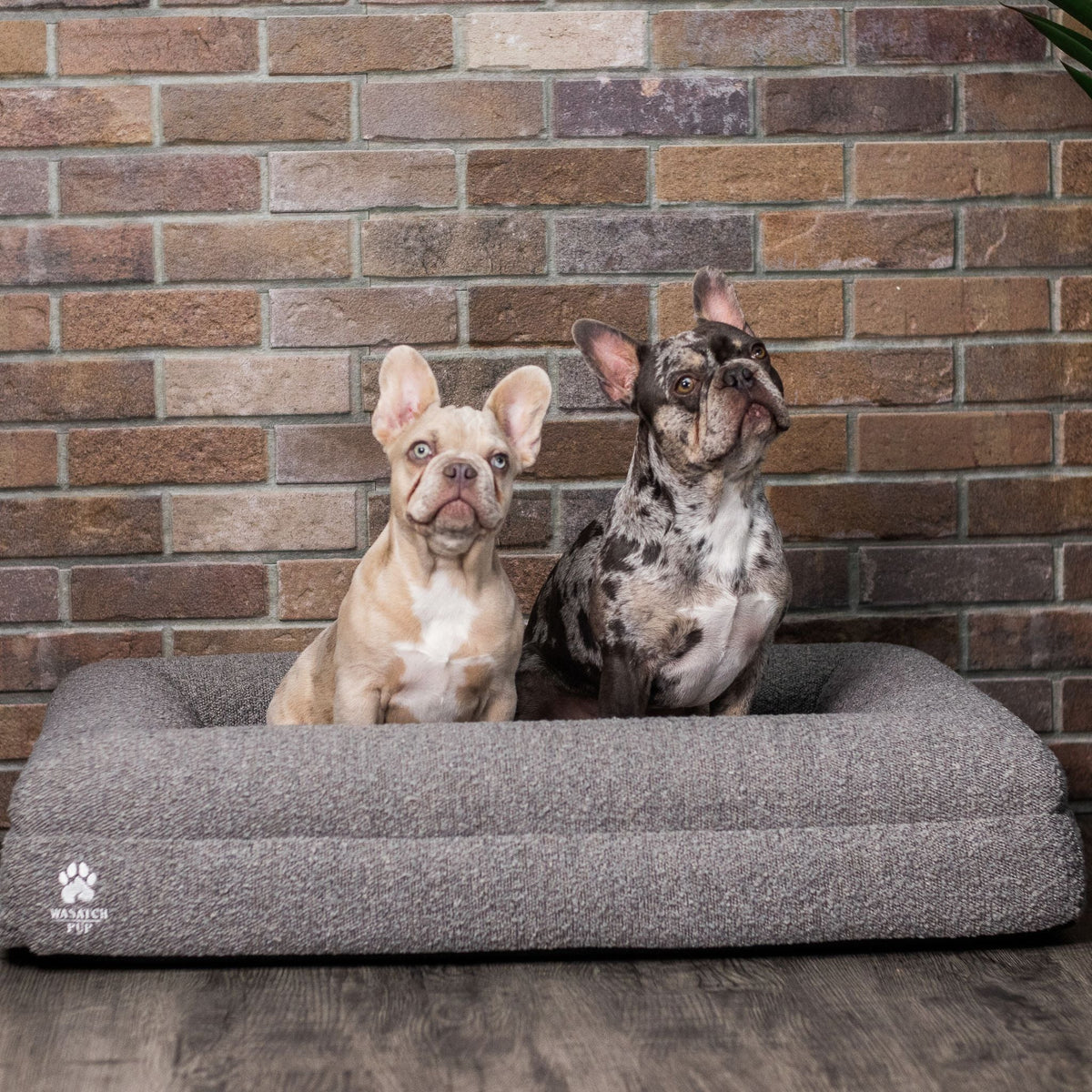
If you want a real-world example of those features together, the Luxury Orthopedic Dog Bed combines supportive memory foam, comfortable bolsters, a waterproof liner, a removable washable boucle cover, and multiple size options. It is the kind of setup that suits dogs who like to curl up or stretch out.
1. Match the bed size to your dog's full sleeping stretch
Start by watching how your dog actually sleeps. If they stretch out, choose a bed that gives their legs, head, and back room to relax without hanging over the edge. If they curl, they still need enough space to change positions comfortably.
A bed that is too small can push a dog into awkward sleeping postures. That can be especially frustrating for large dogs, long-bodied breeds, and dogs that like to switch between curling and sprawling during the same nap.
2. Choose supportive foam that holds its shape
The foam should do more than feel soft on day one. It should keep supporting your dog after repeated use, instead of flattening quickly under their weight. That is the difference between temporary comfort and reliable rest.
If you are comparing an orthopedic bed with a standard pillow-style bed, the supportive foam option usually wins for dogs that need steadier pressure relief. The better the structure, the less likely your dog is to sink to the bottom.
3. Pick a bed style that fits your dog's sleeping habits
Some dogs want raised edges for a headrest or a place to curl against. Others prefer a wide, open surface with plenty of room to sprawl. The right style should match the way your dog naturally settles down.
Bolsters can be helpful for dogs that like to lean, nest, or tuck their noses against something soft. A flatter sleeping area can work better for dogs that stretch long and prefer more open space.
4. Look for a cover that is easy to clean and built to last
A washable cover makes daily life easier, especially for dogs that shed, track in dirt, or occasionally have accidents. A removable cover also helps you keep the bed smelling fresher for longer.
Waterproof protection is worth considering too, because it helps guard the foam underneath. If a bed is meant to last, its practical details should matter just as much as its comfort.
5. Compare options for senior dogs, large dogs, and active dogs
Senior dogs often need easier entry, extra cushioning, and a stable surface that does not collapse under them. Large dogs need more space and stronger support. Active dogs benefit from a bed that helps them recover comfortably after busy days.
That is why the right orthopedic dog bed is less about age alone and more about how your dog uses their body. The same bed can be a good fit for a gray-faced senior, a sporty adult, or a growing puppy with plenty of life ahead.
If you are replacing a worn-out bed, compare your dog's current sleeping style before you shop. Dogs often tell you what they want by where they nap most, whether that is curled, stretched out, or leaning against a bolster.
If you are unsure, pick the option with the better support and the easier cover to wash. Those two features solve a lot of everyday problems.
For another helpful perspective on quality and comfort, Wasatch Pup's Luxury Orthopedic Dog Bed: Instruction Manual explains how a thoughtfully designed bed supports everyday use. It can also help you compare comfort features before you choose a replacement.

Conclusion
If your dog is restless, stiff, choosing the couch, or sleeping on a bed that has gone flat, it may be time to upgrade. A better bed can improve comfort, support, and the quality of your dog's daily rest.
Look for the right size, supportive foam, easy cleaning, and a style that matches how your dog likes to sleep. If your dog is showing signs that their current bed is worn out, that is a useful clue, not a small detail.
When you're ready to choose a more supportive option, compare features carefully and pick the bed that fits your dog's body and habits best.