Skip to content
🇺🇸 MEMORIAL DAY SALE! 🇺🇸
Get an extra 15% off your order with code MEMDAY15
Why Does My Dog Pull on the Leash? 7 Reasons and What to Do Instead

Why Does My Dog Pull on the Leash? 7 Reasons and What to Do Instead

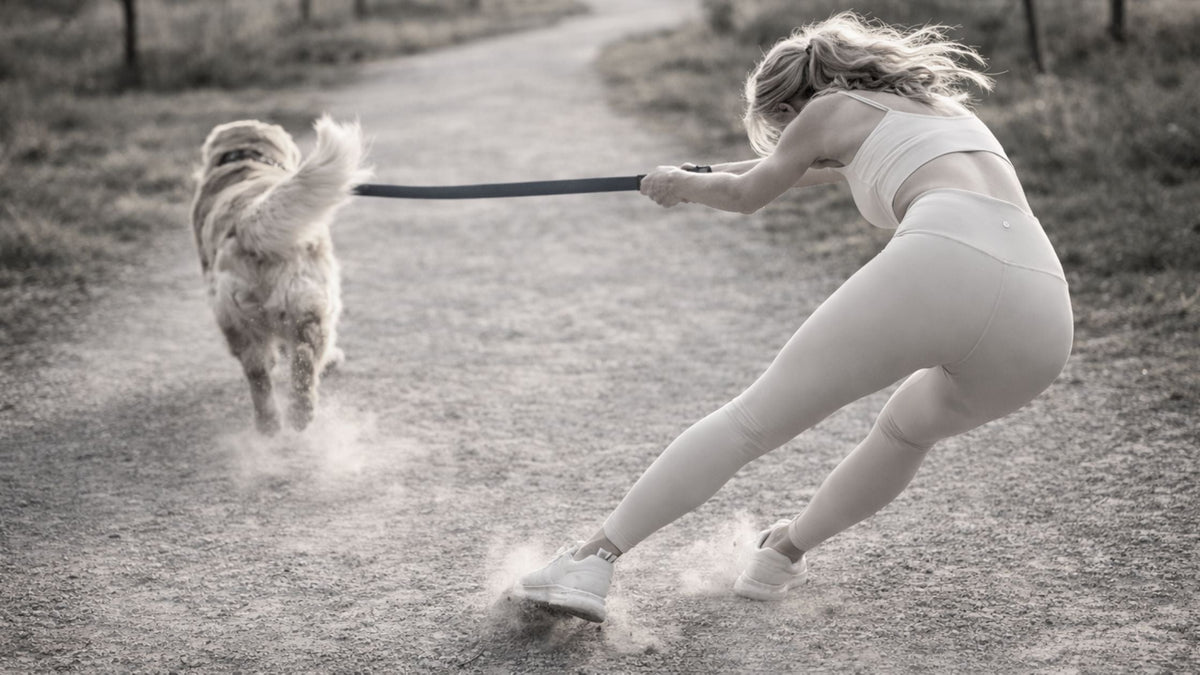
If you're asking why does my dog pull on the leash, you're not alone. Many dogs surge ahead because walking feels exciting, confusing, or rewarding, and the habit can turn a simple outing into a shoulder-straining battle.

The good news is that calmer walks are teachable. With the right timing, a clear routine, and kinder leash handling, you can help your dog slow down without constant yanking or frustration.

Below, you'll learn the most common reasons dogs pull, what to change before training starts, and how to build better leash manners step by step. For a deeper look at the thinking behind one thoughtful no-pull design, you can also read Calm Command Leash: What the Research Shows and Why It Exists.

Key takeaways
  • Dogs often pull because the walk itself has become exciting or rewarding.
  • Rewarding slack leash moments right away teaches the behavior you want.
  • Moving forward on a tight leash can unintentionally reinforce pulling.
  • A calmer routine and better walking gear can reduce pressure and confusion.
  • Consistency matters more than force, especially for dogs that get overstimulated.

Why your dog pulls on the leash as soon as you leave the house

That first burst of energy is usually not stubbornness. The door opening, fresh smells, and the chance to move faster than you do can all create instant momentum.

Some dogs pull because they are excited to investigate. Others pull because they feel nervous and want to reach a safer spot, like a familiar corner or a quieter patch of grass. The same behavior can come from very different emotions.

Excitement builds before the walk even starts

For many dogs, the sidewalk is not the problem. The problem starts at the door, where anticipation builds while you grab the leash, clip it on, and step outside. A dog that has learned the walk begins with speed will often launch forward immediately.

Pulling has worked before, so your dog keeps trying it

If your dog pulls and still gets to move ahead, the habit becomes self-rewarding. Even a few steps forward can teach a dog that tension pays off, which is why the pattern repeats so quickly.

Distractions and stress can both trigger forward motion

A squirrel, another dog, or a loud truck can make your dog surge forward. Stress can do the same thing, especially in new places. If your dog is tense, the pulling may look like excitement even when the feeling is closer to urgency.

Situation Likely driver Better response
Launching from the door Anticipation Pause and reset
Dragging toward smells Reward history Reward slack
Rushing past noises Stress Increase distance
Yanking in every direction Overstimulation Slow the route

What helps before you start training

Before you practice loose-leash walking, it helps to remove some of the friction. The right gear, a calmer exit, and a simple routine make learning easier for both of you.

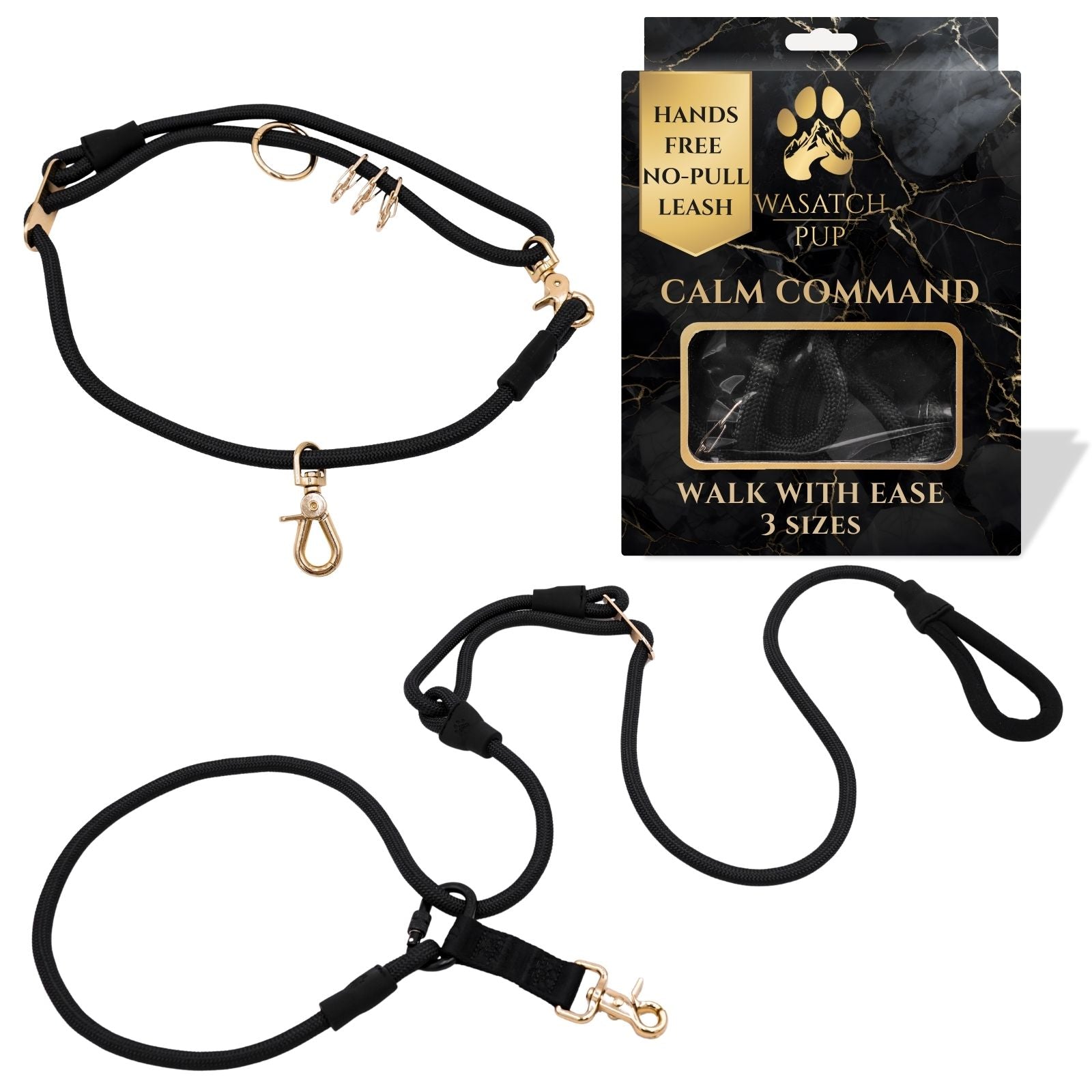
This is where many owners look for the best leash for dogs that pull. A tool like the Hands Free Leash can help shift pressure away from the neck and give you clearer communication, especially while you are teaching new habits.

A premium no-pull leash designed for calmer daily walks

Choosing the best leash for dogs that pull

A better leash will not train the dog for you, but it can support the lesson. The Hands Free Leash uses a wrap-style design that gently redirects pulling away from the neck and into natural body resistance. That makes the feedback clearer than constant tugging.

It also works as a traditional leash or hands-free option, which is useful if you want one tool that adapts to different walks. For dogs that lunge, strain, or bounce from side to side, that extra control can make practice feel much more manageable.

Setting up a calm walk routine from the door to the sidewalk

Try building a repeatable routine. Ask for a sit, wait for slack, then step forward. If the leash tightens, stop. If your dog settles, continue. That pattern teaches that calm behavior opens the door to motion.

Keep the first minutes simple. Short, successful starts are better than long walks that begin in chaos. For some dogs, a quiet hallway or yard practice session helps lower the excitement before the real walk begins.

How to train a dog to walk on a leash with calmer habits

Training works best when you make the right choice easy to repeat. Start where your dog can succeed, reward the exact behavior you want, and only add more challenge once the habit is taking hold.

If you're trying to understand how to train a dog to walk on a leash, think in small wins. One loose step is useful. Three loose steps are better. A whole block can come later.

1. Start in a low-distraction place

Begin in your home, driveway, or another quiet area. The goal is not perfection. The goal is to show your dog that a loose leash predicts movement and praise.

2. Reward slack leash moments right away

Catch the moments when the leash hangs loosely. Mark them with praise, a treat, or a brief forward step. Timing matters here, because the reward should happen while your dog is still making the good choice.

3. Stop forward movement when the leash tightens

If the leash goes tight, stop walking. You do not need to yank back. Simply become uninteresting for a moment. When the leash loosens again, resume. Your dog learns that pulling delays the fun, while calm walking keeps the walk moving.

4. Build distance and distractions gradually

Once your dog can handle a quiet route, add mild distractions one at a time. A parked car, a neighbor, or a busier street can all be part of training, but only after your dog understands the pattern at a lower level of excitement.

For dogs that are still learning, this slow progression matters more than speed. If you raise the difficulty too fast, the pulling returns and the lesson gets muddy.

Common leash-handling mistakes that make pulling worse

Even well-meaning handlers can accidentally train pulling. The problem is usually not effort. It is timing. A dog learns from what works, not from what you intended to reward.

These mistakes are common, especially if you are trying to stop dog pulling on leash quickly. The fix is usually calmer, clearer, and more consistent than you might expect.

Constant yanking that turns the walk into a tug-of-war

Hard corrections can create more tension, not less. Some dogs brace against pressure, while others become more reactive because the walk now feels like a struggle. Clear guidance is usually more effective than force.

Moving forward while the leash is tight

If your dog pulls and still gets where they want to go, the pulling gets rewarded. Even if you slow down or mutter a correction, forward motion can still be enough to reinforce the habit. Break the habit while it is still young. Tight leash means sit and wait. It may take time, but if you are consistent with this rule your pup will catch on quick.

Waiting too long to reward the behavior you want

Loose-leash moments are easy to miss. If you wait until your dog has already surged ahead again, the timing no longer teaches the right lesson. Small, immediate rewards build better understanding.

Dog watching Wasatch Pup freeze-dried chicken heart dog treats made with 100% single-ingredient chicken hearts
Expert tip

If your dog gets extra excited at the start of walks, practice the first minute indoors or in the yard. That short rehearsal often makes the real walk much smoother.

For dogs that need gentler physical feedback, a thoughtfully designed option like the Hands Free Leash can support your training without turning every walk into a correction session.

Final thoughts

If you've been wondering why does my dog pull on the leash, the answer is usually a mix of excitement, habit, and accidental reinforcement. The leash itself is only part of the picture. Your timing, route, and reward strategy matter just as much.

Keep the first steps simple, stay consistent, and reward calm movement often. If your current setup adds strain or confusion, choose gear that supports clearer communication and a more comfortable walk for both of you.

For many dogs, that means pairing training with a better leash and a calmer routine. Small changes add up fast when they are repeated every day.

Start calmer walks with a smarter leash

If you want a practical next step, consider a leash that supports training instead of fighting against it. The Hands Free Leash is designed to help redirect pulling more gently while keeping everyday walks more comfortable.It can be used hands-free or traditionally, which makes it a versatile choice for dogs that are still learning loose-leash habits.

FAQ

Why does my dog pull on the leash right away?

For many dogs, the walk starts long before you reach the sidewalk. Seeing the leash, hearing the door open, and knowing they’re about to go outside can create a huge burst of excitement. Once outside, there are new smells, people, dogs, and places to explore. Naturally, your dog wants to get to them faster than you do. The problem is that dogs can quickly learn that pulling gets them somewhere. If they pull and you continue walking, reaching that interesting smell or getting farther down the sidewalk becomes the reward. Over time, pulling can become their normal way of walking simply because it has worked. Try this first: Start somewhere much less exciting, like inside your home. Put your dog’s leash on and spend a few minutes walking around the house together. When the leash is loose and your dog stays near you, reward them with praise or a small treat. Always bring treats with you on walks. Having a reward ready gives you an easy way to reinforce good behavior the moment it happens. You want your dog to learn that staying close, paying attention to you, and keeping the leash loose leads to something positive. While practicing inside, change directions, walk between rooms, stop and start, and encourage your dog to pay attention to where you are going. Once they're doing well inside, practice near the front door. Wait for a loose leash before opening it. If your dog rushes forward and pulls, stop. When the leash relaxes, continue. Gradually take the same exercise outside and introduce more distractions as your dog improves. The lesson you’re teaching is simple: a loose leash gets us where we want to go; pulling makes us stop. Starting inside gives your dog a chance to understand what you want before asking them to do it during one of the most exciting parts of their day.

Why does pulling on the leash keep happening?

Dogs repeat behaviors that work for them. If your dog pulls toward a tree, another dog, an interesting smell, or simply in the direction they want to go and you keep moving, they learn an important lesson: pulling gets me what I want. Even if you are telling your dog “no” or pulling back on the leash, continuing toward whatever caught their attention can still reward the behavior. This is one reason leash pulling can become such a stubborn habit. Your dog may have practiced it on hundreds of walks without either of you realizing that it was being reinforced. Try this: The moment the leash becomes tight, stop walking. You do not need to yank the leash or get into a tug-of-war. Simply stop moving and wait. The moment your dog turns toward you, comes back, or creates slack in the leash, praise them, reward them with a treat, and begin walking again. This is also where the Calm Command No-Pull Dog Leash can help reinforce what you are teaching. It is designed to make communication between you and your pup easier by helping you manage pulling while you reward the loose-leash behavior you want. Think of it as a training tool that works alongside consistency and positive reinforcement, rather than a replacement for training. Remember to always bring treats on your walks so you can reward the behaviors you want as they happen. You can also reward your dog randomly when they are already walking nicely beside you. Do not wait for them to make a mistake before giving them attention. You can even use what your dog wants as part of the reward. If they want to sniff a tree, for example, ask for a few steps on a loose leash first. When they do it, let them go sniff. Your dog begins to learn that walking calmly is actually the fastest way to get what they want. Most importantly, be consistent. If pulling makes the walk stop sometimes but gets your dog where they want to go other times, the lesson becomes confusing. The rule should stay simple: tight leash means we stop; loose leash means we move forward. Over time, you are replacing the old habit of “pull to get there” with a much better one: stay connected with my person and good things happen.

What helps before loose-leash training starts?

A successful walk often starts before you leave the house. If your dog is already overly excited when the leash goes on, it can be much harder to get their attention once you step outside. Try this: Create a simple pre-walk routine. Put on the leash, ask your dog to sit, and wait for them to settle before opening the door. If they rush forward, pause and try again. Once the leash is loose and your dog is focused on you, step outside together. Having the right gear and treats ready can also make training easier. Bring small treats to reward good behavior throughout the walk, and use a comfortable leash that helps you communicate clearly with your pup. The goal is simple: calm behavior starts the walk. This gives your dog a clear routine they can learn and repeat every time you head outside.

How can the Hands Free Leash help a dog that pulls?

The Calm Command Hands-Free No-Pull Leash is designed to give you better communication and control without relying on constant pulling against your dog’s neck. Its wrap-style setup uses gentle pressure around the body when your dog pulls, helping encourage them to slow down and reconnect with you. Try this: When your dog begins to pull, stop walking and let the leash provide the cue. As soon as they return to you and the leash relaxes, reward them with praise or a treat and continue walking. This helps reinforce the same rule you have been practicing: loose leash means we move forward. The Calm Command can also be used hands-free or as a traditional leash, making it easy to use the same training approach on everyday walks. The leash provides the communication, but your consistency and rewards are what teach the behavior.

What should I do if my dog rushes toward noises or distractions?

Dogs can quickly become overstimulated by other dogs, people, cars, noises, or even an irresistible smell. When your dog becomes locked onto a distraction, getting their attention back can be much harder. Try this: Create some distance from the distraction and get your dog’s attention before continuing. Use their name, change direction, or use a treat to encourage them to focus back on you. The moment they look at you or calmly follow your direction, reward them with a treat and praise. If you notice the distraction before your dog does, even better. Get their attention early and reward them for staying connected with you as you pass. Do not feel like you have to walk directly toward every distraction. Sometimes crossing the street, turning around, or giving your dog more space is the best training decision. The goal is to teach your dog to check in with me when something exciting happens, rather than rushing toward it.