A Practical Guide for First-Time Travelers
Introduction
This guide will walk you through everything, from airline rules and vet prep to what to pack and how to keep your pup calm from takeoff to landing.
Let's get into it.
Can You Travel With a Small Dog on a Plane?
Yes, absolutely. Most major airlines in the United States allow small dogs to fly in the cabin with their owner. Your dog rides under the seat in front of you in an approved pet carrier, which means they stay close to you the whole time. No cargo hold needed.
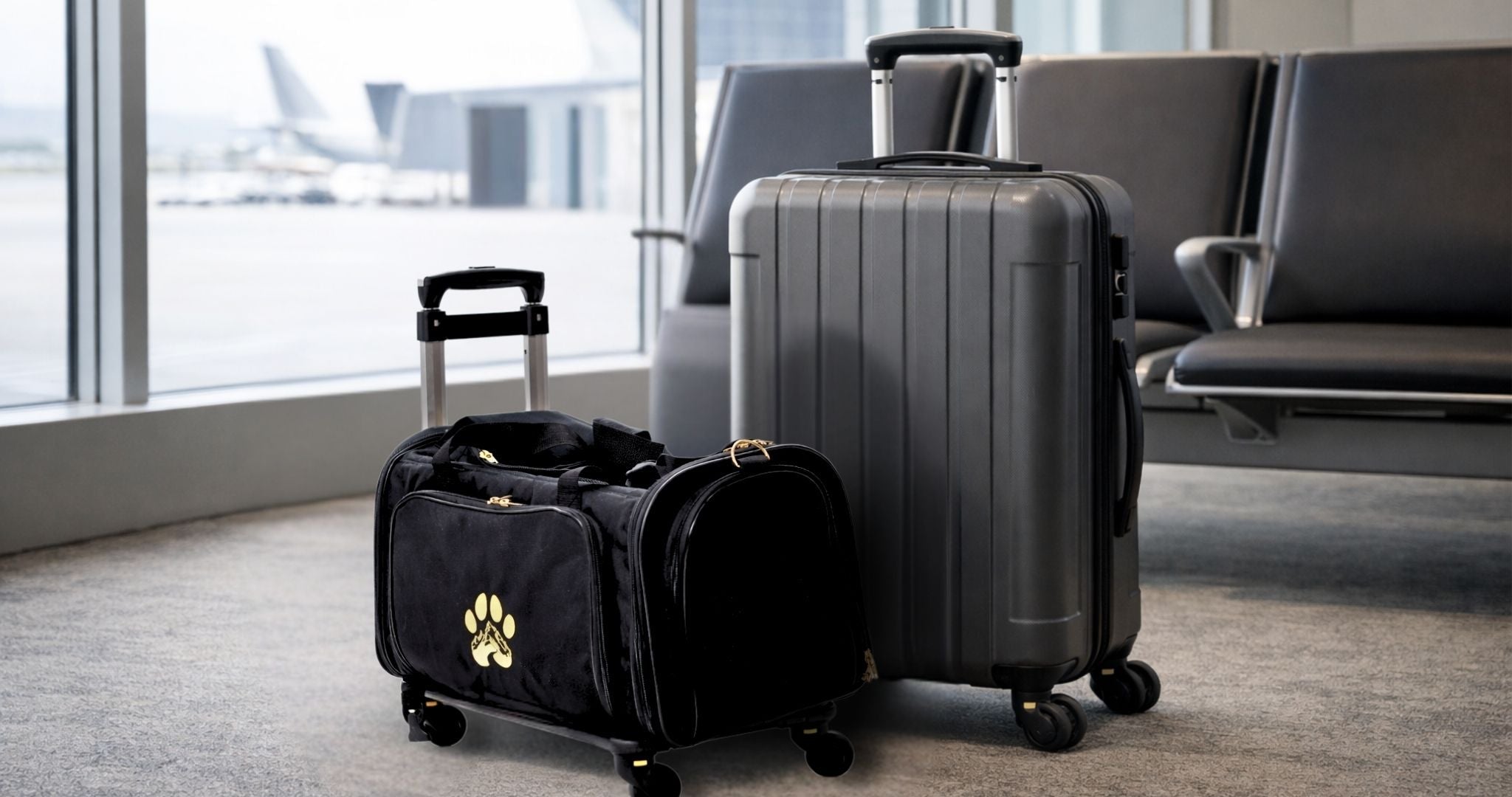
What counts as small? Generally, your dog and its carrier should weigh 20 pounds or less to qualify for in-cabin travel. Check with the airline for the maximum size allowed for carriers. Most airlines follow the “18x11x11 bag dimension rule and may vary a couple of inches here and there (I haven’t had issues with this since the Air-pup Travel Carrier is soft-sided, so it can fit under the seat as needed).
More important than weight is whether your dog can stand and turn around in the carrier. If your dog exceeds these dimensions, you'll need to explore other options, such as training your dog as a service animal or using the cargo hold. The cargo option is much different and more complicated, so we won't cover it here.

For small dogs weighing 10 pounds or less, like Chihuahuas, Yorkies, Maltese, Miniature Dachshunds, and similar breeds, cabin travel is usually an easy yes. 10-15 pounds usually works if your pup is okay being in a tighter space. 15-20 pounds depends on your pup's body dimensions. Many dogs, like Frenchies, weigh a lot but fit just fine. The Air-Pup Travel Carrier has a whole wheel setup, so you don't need to worry about lugging that weight around the whole airport. The bag does all the work for you.
Airline Rules You Need to Know
Before you book anything, spend 10 minutes reviewing your airline's pet policy. Rules vary more than most people expect, and knowing them upfront saves a lot of headaches later.
Size and Weight Limits
Most airlines cap the combined weight of your dog and their carrier at 20 pounds (I have never had to weigh my dog personally at check-in). Your carrier must also fit completely under the seat in front of you, typically around 18 inches long, depending on the aircraft.
Carrier Requirements
Your carrier should be leak-proof, well ventilated, large enough for your dog to stand and turn around, soft-sided for cabin travel, and secure so your dog cannot slip out. It must have an opening on at least 3 sides of the carrier. Soft-shelled carriers are generally preferred since you are able to squeeze into those airlines that have slightly smaller dimensions. Make sure that you acknowledge the dimensions required on your airline's website and that your carrier can meet those needs.

Pet Fees
Most airlines charge between $ 100 and $125 per one-way. If you have a connecting flight, you don’t need to worry, as it is still included in the one-way fee. You will need to pay the in-pet cabin fee only twice, there and back. Since this is a bag you are paying for, you are still allowed a personal item to place above it. Carry-on varies by airline, so check whether it is included in your fare. $200-$250 round-trip to bring your best friend along? Sounds like a steal to me.
*Note, International flights may be subject to different fees, so if this applies to you, please do your research based on where you are going and your own country's laws and regulations.
International Travel
Each country has different laws and regulations regarding the importation of animals into its territory, including Hawaii. Please make sure you have everything prepared for these trips. There would be nothing worse than arriving at the airport only to realize that your pet can't come with you because you weren’t prepared. We will talk more about this and what you should consider having, even if you aren’t traveling anywhere.

Any Breed Restrictions?
The good news is that Flat-nosed breeds like Pugs, French Bulldogs, Shih Tzus, and Boston Terriers are allowed in-cabin. So the answer is no restrictions, but face restrictions in cargo and aren’t allowed that option. Keep in mind that flight agents have the power to deny boarding if your pet seems anxious, can't breathe comfortably, isn’t behaving properly, or is too loud. This is why preparation is the most important thing.
How to Prepare Your Dog Before the Flight
Good preparation distinguishes a smooth flight from a stressful one. I suggest beginning your preparations at least two to three weeks before your travel date, with everything in order, so we can concentrate on creating memorable experiences.
Vet Visit
Book a checkup within 10 days of your flight. Most airlines require a health certificate. Make sure vaccinations are up to date, which is a good practice in general. Here are the recommended things to include in your vet visit that every pup should have:

Microchip:
The cost generally ranges from $30 to $100, depending on the vet. A microchip offers your dog a permanent, tamper-proof ID that can't fall off or be taken off like a collar. If your dog gets lost, shelters and vets can easily scan the chip to contact you, significantly improving the chances of recovery. It also provides peace of mind, especially when traveling, since your contact details remain linked to your dog wherever you go. The microchip is quickly inserted into the neck area with a simple, gentle pinch.
Rabies Vaccination:
Rabies is part of making sure vaccinations are up to date, but we want to emphasize this for the safety of your dog and others.
After your vet visit, you should request a copy of the health certificate. The more documentation you have, the better.
Carrier Training
Leave the carrier open at home and allow your dog to explore it at their own pace. Gradually increase the time your dog spends inside, starting with just a few minutes and slowly extending it to longer periods. Use treats and positive reinforcement to create a positive association with the carrier, making it feel safe and familiar. Place comforting items, such as a favorite blanket or toy, inside to help your dog feel more at ease. My dog is 10 pounds and has enough room to fit in our Zen Pup, which is a stuffed animal that has a heartbeat to aid with anxiety. Consistent practice and patience will help your dog become comfortable and confident in their carrier. All that matters here is that they are comfortable. We will go into more detail and tips once we go through the “Journey” Section.
Practice Busy Environments
Airports are loud, crowded, and full of new sights, sounds, and smells. One of the best things you can do before your trip is to gradually introduce your dog to busy environments. Take them to places like outdoor shopping centers, parks, or local markets where there is movement, noise, and people.
Socializing is one of the best things you can do for your dog, especially if they struggle with anxiety. The more your dog experiences new environments in a calm, positive way, the more confident and relaxed they will be when it matters most. Reward calm behavior, keep sessions short at first, and build up over time to prevent overstimulation.

A well-socialized dog is far less likely to panic, bark, or become overwhelmed at the airport. This one step can make the difference between a stressful travel day and a smooth, easy experience for both of you.
What to Pack for Your Dog
Having the right setup makes the entire trip smoother, from leaving your house to landing at your destination. Think comfort, cleanliness, and keeping your dog calm the entire way.
Airline-Approved Carrier
Your most important item. Make sure it fits airline requirements and is comfortable for your dog to stand, turn, and lie down. This will be their safe space for the entire trip.
Familiar Blanket or Worn T-Shirt
Something that smells like home helps your dog feel safe. Your scent alone can calm anxiety more than anything else.
Small Toy or Chew
Bring a favorite toy or chew to keep them occupied and relaxed. Stick to something quiet and familiar.
Pee Pads
Line the bottom of the carrier just in case. Accidents happen, and this makes cleanup much easier.
Travel Water Bowl
A collapsible bowl works great and takes up almost no space. Offer small amounts of water throughout the trip.
Food and Treats
Bring their normal food and high-value treats. Treats are especially helpful for calming, rewarding, and redirecting attention.
Health Documents
Have your dog’s health certificate, vaccination records, and any airline confirmations easily accessible.
ID Tags and Harness/collar
Make sure your dog has updated ID tags and is wearing a secure harness or collar.
Cleanup Kit
Pack poop bags, wipes, paper towels, and a small scent spray in case of accidents. Being prepared here saves you a lot of stress. Accidents happen, and those around you understand this. Being prepared with these lets you clean up messes or odors as you go.
Valerian Root (Natural Calming Aid)
A natural relaxer that can help reduce anxiety. I use this for my girl with anxiety every time we travel. Always test it at home first to see how your dog responds, and give the proper amount based on your pup's size.
Additional Items We RecommendLeash
Keep a leash easily accessible for security, bathroom breaks, and transitions.Extra Towel or Blanket
Ziplock Bags
Diapers
The Entire Journey
By now, you have everything you need to set your dog up for success. The preparation is the hard part. Now let’s walk through the actual journey so you can feel confident from the moment you leave your house to the moment you land.

Before You Leave
Your travel day begins a little earlier when you are bringing your pup.
I will feed my pup 5 hours before the flight. Do not feed your pet anything at least 4 hours before the flight. This will help with sickness during the journey, especially if your dog gets car or motion sickness. Trust me here, don't feed them on the journey there. They might get a little hungry, but they will be fine.
Keep water consumption to a minimum, but ensure they aren't dying of thirst.
If your dog has anxiety, I would recommend giving them a dose of valerian root 30 minutes before you leave to ease the nerves; more can be given based on how your dog is doing. If your pup has extreme anxiety, I would recommend talking to your vet to get something a little stronger to ease this.
On the Way to the Airport
In the Air-pup travel carrier, there is an integrated leash so you can open the top of the carrier in the car and through the airport. I highly recommend doing this with your furry friend.
Letting them see their environment and breathe fresh air will significantly assist them while moving through the airport
One more time, in case you forgot, no feeding for at least 4 hours.
Arriving at the Airport
Arrive at the airport ahead of schedule so the process isn't rushed. Some airlines require you to check your pup at the check-in desk before you can check in for your flight. Other airlines allow you to go to TSA.
If you check in and get your boarding pass, you are ready to go to the TSA Security Checkpoint. If they require an in-person check-in, you will need to go to the front desk, check in, and answer their questions to ensure you have everything.
It is important that all dogs are at least 8 weeks old before traveling.
After they clear you, you can go to the TSA Checkpoint.
If you check in and get your boarding pass, you are ready to go to the TSA Security Checkpoint. If they require an in-person check-in, you will need to go to the front desk, check in, and answer their questions to ensure you have everything. It is important that all dogs are at least 8 weeks old before traveling. After they clear you, you can go to the TSA Checkpoint.
Pet Relief Area
Most airports have a pet relief room that you can use. But access is usually after you cross the TSA Checkpoint.
If they do have an accident, the odor of pee doesn't compare to the hassle that poop or vomit can have.
 TSA Checkpoint
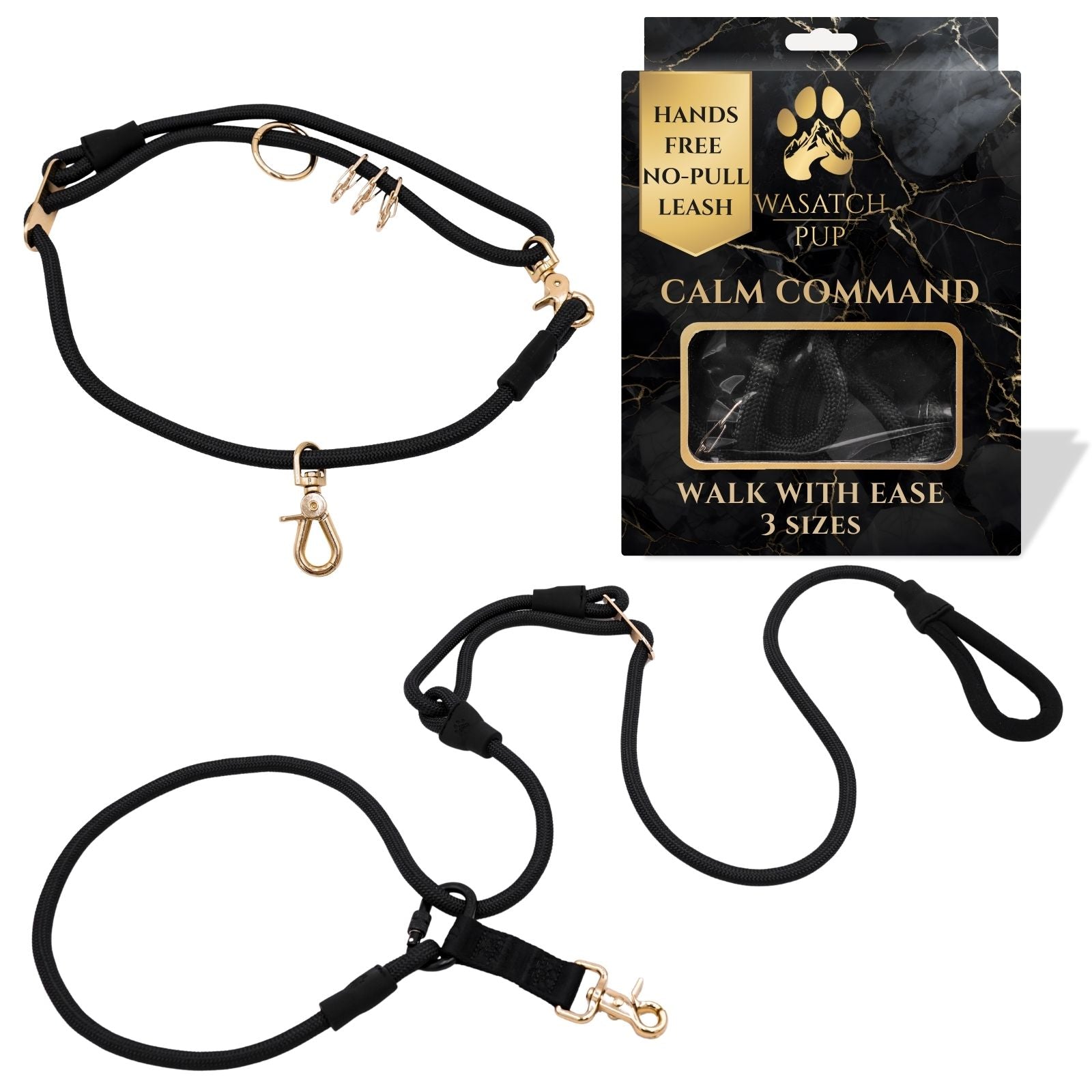
Once you get to TSA, it isn't hard, but it is important to know what to do to comply with TSA so the process is smooth and easy. After scanning your ID and boarding pass at the front, you will go to the screening area. This is where they run your luggage through and make sure you are compliant with the laws. Here, you will take your dog out of the carrier and send everything through the machine. As of 2026, TSA will have you step to the side, where you will walk through the detector rather than the one where you raise your arms. Wait here for the next available TSA to assist you through this section. Once they let you through, stay with the TSA agent for the next part. Hold your pet in your arms, then hold both hands out. Here, they'll use a paper that detects a couple of things (related to security threats). I have had the testing machine not approve me one time. It is not the end of the world. What they will do is very similar to opening your bag to find the water bottle you accidentally left in there. They will wipe everything down again to ensure everything is good and that nothing harmful is being taken. Please comply and be nice to the TSA agents. They are only doing their job, and working together will ensure you get on your flight. Keep in mind, this only happened to me once. Don't bring anything illegal, and you should be just fine. If your dog likes to walk on their leash and is well-behaved, you are more than welcome to let them walk rather than ride. I like to use our Calm Command leash that is no-pull and hands-free, so walking through the airport is just as easy as getting a ride. Just make sure to clean up any messes made along the way.
At the Gate and Boarding
Find a quieter area and let your dog settle. Keep them away from the busiest, loudest areas when possible. Give your dog one last bathroom break before boarding. Make sure that you give yourself enough time so that we can minimize the stress of making your flight. Once you stroll onto the plane and get to your seat, remove the bottom platform that connects the wheels with the bag. This section will either fit right next to your bag or take off the wheels and slide it into place.
 During the Flight
Your pup has to get into the carrier, and the carrier has to remain enclosed for the whole duration of the flight. With the extended version of the Airpup travel carrier, once I sit down and take off, I like to open up one of the sides so that your pup has more room throughout the flight. It makes the flight much more enjoyable for them to have more space and to see their favorite owner right above them. This is perfectly acceptable since the expandable flaps stay enclosed.
After the Flight: Where to Stay
Once you land, the journey is not over yet. Now it is time to let the good times roll.
If you are bringing your dog, you will find that there are dog-friendly hotels all around. Most major hotel chains offer pet-friendly options, and many go out of their way to accommodate dogs.
But just because a hotel is dog-friendly does not mean anything goes.
It is our responsibility to make sure our pups are well-behaved and respectful in these environments. Dog-friendly policies are a privilege, not a guarantee, and they can be taken away if hotels have too many negative experiences.
What This Means for You
Keep your dog calm and under control at all times. Avoid excessive barking, especially when you are not in the room. Always clean up after your dog, inside and outside the hotel. Be mindful of other guests who may not be comfortable around dogs.
Tips for a Smooth Hotel Stay
Bring familiar items like a blanket or bed so your dog feels at home. Stick to your normal routine as much as possible, including feeding and walks. Use a crate or carrier if you need to leave your dog alone in the room. Consider using diapers or protective layers if you are worried about accidents.
Final Thought
When we travel with our dogs, we are representing every dog owner who comes after us.
A well-behaved dog makes it easier for the next person to bring theirs. A bad experience can do the opposite. Take the extra step to make sure your pup is calm, comfortable, and respectful so we can all continue to enjoy traveling with our best friends.
Being prepared is the number two rule here.
And when it comes to preparation, the Wasatch Pup Air-Pup Travel Carrier is one of the best tools you can have if you want to take your pup anywhere.
This is not just a carrier. It is built for real travel.
You have wheel mode to glide through the airport without carrying extra weight. Hidden backpack straps when you want to go hands-free. A structured pad that folds to give your pup better support and comfort while riding.
It slides right onto your suitcase, so you are not juggling bags. You have standard handles when you need them, plus a longer crossbody strap for flexibility, depending on how you are moving.
The extra storage pockets are a game-changer. Keep poop bags, wipes, treats, and your cleanup kit exactly where you need them so you are never scrambling in the moment.
Every detail is designed to make traveling easier for you and more comfortable for your dog.
When you have the right setup, everything changes. Less stress. More control. Smoother travel from start to finish.
This is how you turn flying with your dog into something simple… and something you actually look forward to.
 You’ve Got This!
Quick Reminders
• No feeding for at least 4 hours before the flight
• Stay calm, your dog feeds off your energy
• Give yourself extra time
• Preparation makes everything easier
Flying with your dog for the first time can feel intimidating, but with the right preparation, it is very manageable. Your dog just needs to feel safe. Trust your preparation and enjoy the journey together.
You have done the work. Now enjoy the journey with your pup. Confidence is everything here. Your dog can feel your energy, and they are looking to you as the leader. When you are calm, confident, and in control, it tells your dog that everything is okay.
You are the pro in this situation. They trust you, and they will follow your lead, especially in new environments. When you step into that role, your dog becomes more relaxed, more confident, and more willing to go through this experience with you.
Being prepared is what makes this feel easy. This is what turns the entire trip into something smooth, simple, and honestly… a walk in the park.
The Most Important Rule of All

Have fun.
This experience can completely change the way you travel. Once you do it, you will realize how much more enjoyable it is to bring your dog along for the adventure rather than being kenneled at home.
If you allow yourself to lean into it, this could be one of the best trips you have ever taken and will pave the way you vacation in the future. Let the tail wags begin, and of course, safe travels.