Freedom in Every Step: Hands-Free Dog Leashes for Life on the Move

By the Wasatch Pup Team · April 2026 · Dog Gear & Lifestyle
It starts the same way every time. You lace up your shoes, clip the leash, step outside with your dog, and within sixty seconds, your arm is being yanked sideways, your rhythm is completely broken, and the peaceful morning run you had planned has turned into a tug-of-war down the sidewalk. You're holding the leash with one hand, coffee in the other, trying to jog, steer, and survive simultaneously.
Here's a question nobody asks enough: why are we still gripping a leash handle like it's 1987?
The hands-free dog leash exists precisely because the old way has never made much sense for active dog owners. Whether you're a trail runner who needs your arms for stride balance, a hiker who needs both hands on the terrain, or just a parent who already has too much to carry, a hands-free leash doesn't just solve a problem. It completely changes how you and your dog experience the world together.
This guide covers everything worth knowing: what makes a great hands-free leash, what features actually matter, which situations it shines in, and how to find the right one for your life and your dog's personality.
What Is a Hands-Free Dog Leash? Benefits, Features, and Uses
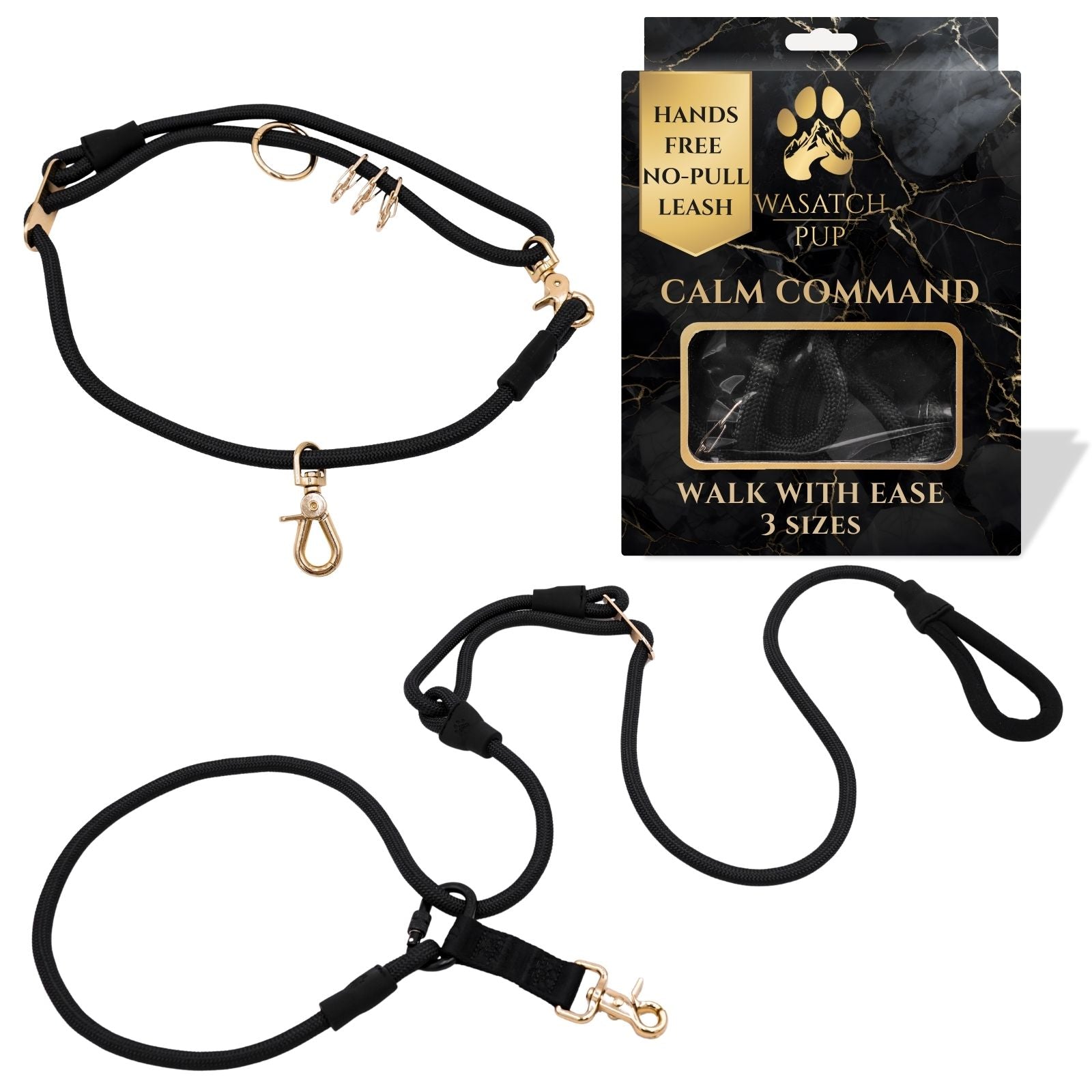
A hands-free dog leash replaces the grip of your hand with the stability of your core. Instead of holding a handle, the leash attaches to an adjustable waist belt that sits comfortably on your hips. Your dog is still leashed, still secure, and still within your control, but your hands are entirely free.
Most designs include a few key elements: a padded waist belt with a quick-release buckle, a bungee or shockcord section that absorbs sudden pulls, and a durable clip that attaches to your dog's collar or harness. Better versions let you adjust the leash length on the move, add a secondary hand loop for tight situations, and offer front-clip compatibility for dogs that pull.
The shift sounds simple. In practice, it's transformative.
 Hands-Free Dog Leash Benefits for Running, Hiking, and Daily Walks
Most articles list the obvious perks: free hands, convenience, and less pulling. All true. But the benefits that actually change your day-to-day are a little more specific than that.
Your Posture Changes Immediately
When you hold a leash for 45 minutes, that hand is locked. Your shoulder rotates slightly inward, your stride shortens on that side, and without realizing it, you're walking or running lopsided. A waist leash restores symmetry. Both arms swing freely. Your spine stays straight. Runners especially notice this; it's like someone lifted a small but constant tension from your whole upper body.
Your Dog Picks Up on Your Energy
Dogs are remarkably good at reading the signals we send through the leash. Constant grip tension tells them you're anxious or alert. A waist leash creates different feedback: smoother, more rhythmic, less reactive. Many dog owners notice their dogs settle into calmer, steadier walking almost immediately after switching.
Safety Improves on Unpredictable Terrain
On hiking trails, your hands need to be available for balance, grabbing a branch, or catching yourself on a slope. A dog pulling your hand while you're navigating a rocky descent is genuinely dangerous. Hands-free removes that risk entirely. You move together, you're both balanced, and neither of you is compensating for the other.
Multi-Tasking Becomes Actual Multi-Tasking
Carry a coffee. Push a stroller. Carry a bag of groceries. Take a photo without setting anything down. Text back. Drink water mid-run without slowing to a walk. These are small things, but they add up to a completely different quality of experience on every single walk.
Best Hands-Free Dog Leash Features to Look For
The hands-free leash market is crowded. Some are excellent. Some feel like they were designed by someone who has never actually walked a dog. Here is what separates the two:
- Waist belt comfort and range.
The belt should sit on your hip bones, not your waist or lower belly. Look for wide, padded belts with a broad size range. If you share the leash with a partner, adjustability matters more than anything. - A Proper No-Pull Leash Set Up.
This is non-negotiable for runners and hikers. When your dog surges forward, your leash should be the one at work, not you. Without it, every sudden lunge is jarring and can genuinely throw your balance. - Using this no-pull leash changes the game.
All-Metal Hardware.
Plastic clips break. Metal clips don't. Simple. This matters especially for medium-to-large dogs with any pull to them. - No-pull Design Harness With Front-Clip Compatibility.
A front-clip attachment can help reduce pulling by turning your dog slightly back toward you when they move forward, making it less efficient for them to keep pulling. It is a solid improvement over traditional back-clip setups. However, it still relies on redirection rather than true pressure distribution. A wrap-around design goes further by engaging your dog’s core and gently tightening around the body when they pull, which more naturally discourages the behavior and provides a more consistent, controlled, and communicative walking experience over time. - Adjustable leash length. A single fixed length rarely works perfectly in all situations. Open trails call for more slack. Busy streets need tight control. On-the-fly adjustment is a feature you will use every single day.
When to Use a Hands-Free Dog Leash: Running, Hiking, and More
Running With Your Dog
This is where the difference is most dramatic. Running with a leash in your hand fundamentally disrupts your gait, your arm doesn't swing, your breathing changes, and you're always half-managing the dog instead of actually running. A hands-free setup restores natural running mechanics. Your dog runs beside you rather than in front of you. You find a rhythm together. It stops feeling like management and starts feeling like a run.
Hiking and Trail Adventures
Trails are unpredictable. Roots, rocks, stream crossings, steep descents, any of these can demand both hands in an instant. Hands-free hiking with your dog isn't just more comfortable, it's meaningfully safer. You can use trekking poles. You can scramble over obstacles. You can stop and take that summit photo without handing your leash to a stranger.
Daily Neighborhood Walks
Even without athletic ambitions, a hands-free leash makes everyday walks noticeably more relaxed. You're not locked into one hand being occupied for thirty to sixty minutes. You can carry your phone, drink your coffee, manage a bag, or simply walk with your arms at your sides, which is how walking is supposed to feel.
Dog Parents With Young Kids
Holding a toddler's hand, managing a stroller, and keeping a leash under control simultaneously is basically a circus act. A waist leash eliminates one of those three problems instantly. That matters more than it sounds at 7 am on a school morning.
Camping and Outdoor Stays
Setting up a tent, cooking over a camp stove, or carrying equipment is infinitely easier when your dog is clipped to your waist rather than tied to a stake or dropped on the ground. They stay close. You keep working. Everyone is happy.
 Explore Now ⬆️
Why Dog Owners Are Switching to Hands-Free Leashes

It isn't a trend. It's a correction. The standard leash grip was designed for short, controlled walks, not for the active, multi-tasking, adventure-filled lifestyle most modern dog owners actually live.
Dog trainers have been recommending hands-free setups for years because the waist connection naturally positions the handler as a calm, grounded anchor rather than a reactive one. When you stop yanking the leash and start moving with steady confidence, your dog responds. Walks that used to feel like battles start feeling like companionship.
The switch also happens because the quality of hands-free leashes has improved dramatically. Early versions were awkward, the belts were uncomfortable, and the clips were plasticky and weak. Today's best versions, built with padded waist systems, no-pull mechanics, and heavy-duty hardware, are genuinely better pieces of gear
than almost anything you can buy in the traditional leash category.
How to Choose the Best Hands-Free Dog Leash for Your Dog
Before you buy, be honest about two things: your dog and your routine.

Your dog's size and strength determine how much hardware you actually need. A ten-pound terrier and a seventy-pound Labrador both deserve good gear, but the Labrador may need additional gear to ensure a proper walking experience. The terrier can get away with something lighter.
Your routine determines the design you want. Runners want low-profile and lightweight shoes with good shock absorption. Hikers want rugged and versatile gear with multiple attachment options. City walkers want clean, sleek, with tight control at short lengths. If you do all three, look for something adjustable and built to last.
One more thing worth saying: if your dog pulls significantly, make sure the leash you choose is actually designed to address it, not just to tolerate it. A no-pull wrap-around design, used consistently, genuinely teaches better leash behavior over time and lets you communicate with your furry family properly. That's not a marketing claim.
It's how the mechanics work.
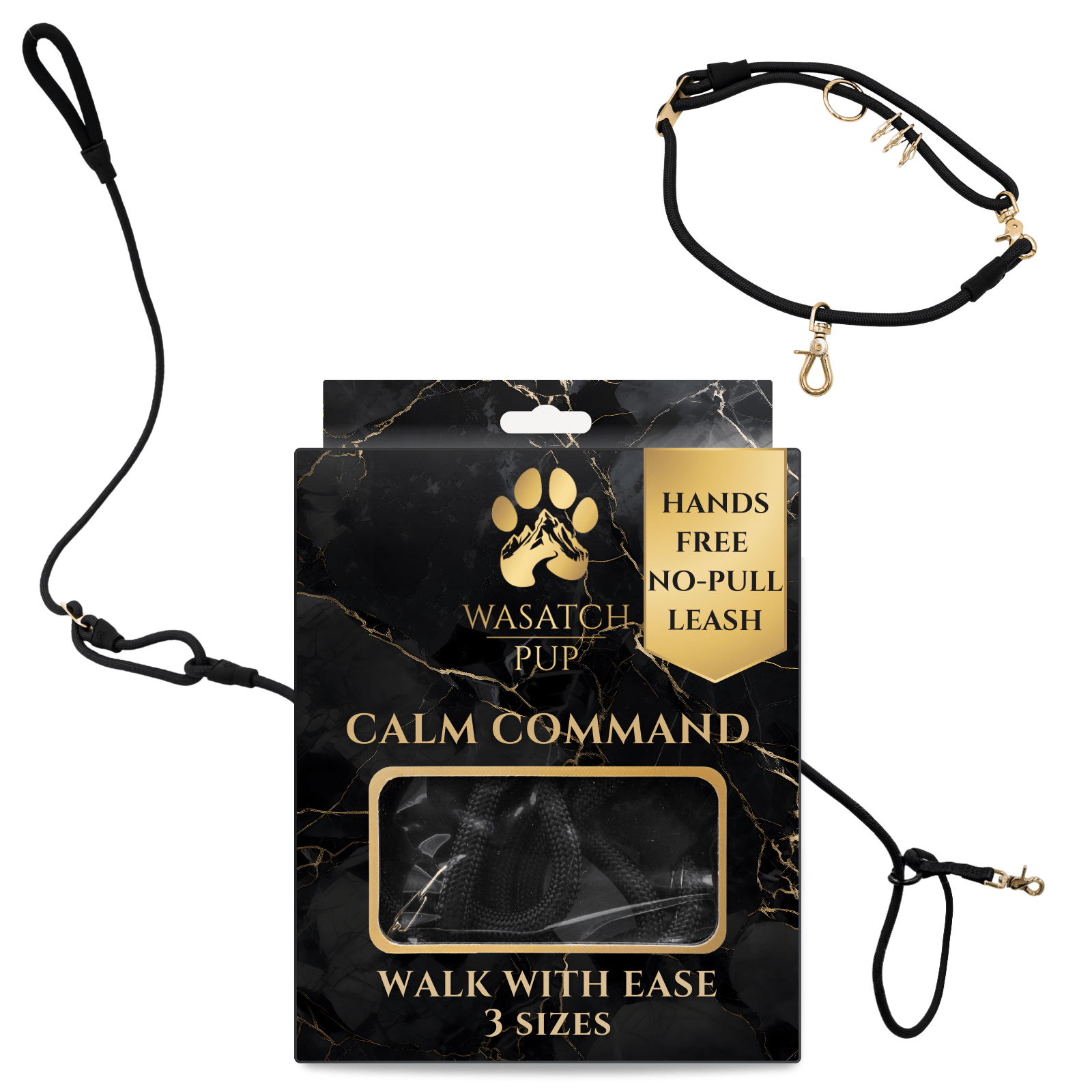
TheCalm Command Hands-Free No-Pull Leash was built to check every one of these boxes without compromise. It features a fully adjustable waist belt for all-day comfort, premium all-metal hardware for strength, and quick-adjust functionality so you can move seamlessly between open trails and tight control situations. What truly sets it apart is the wrap-around no-pull design, which works with your dog’s natural movement to gently discourage pulling rather than just redirect it. Whether you are running, hiking, or managing a busy day with your dog by your side, it helps your dog adapt to your routine rather than vice versa. The Calm Command delivers a smoother, more controlled walking experience every time you clip in.
Hands-Free Dog Leash FAQs
Is a hands-free dog leash actually safe?
Yes, when built and used correctly, theCalm Command is safer than a traditional handheld leash for active use.
Your hip and core provide a more stable anchor than your wrist. Please note that it will be your weight against your furry friend’s weight when it comes to pulling. Please set up theCalm Command wrap-around design properly so simple physics does the heavy lifting, not us. Once your dog no longer pulls, you can choose whether to use the wrap-around or not.
Can I use one if my dog is a puller?
Yes, and this is honestly one of the strongest reasons to try one. TheCalm Command Hands-Free No-Pull Leash uses a wrap-around design that gently engages your dog’s body when they pull, creating natural pressure that discourages the behavior at its source rather than just redirecting it. This makes pulling less rewarding and helps your dog understand the correct walking position over time. Many owners notice real, lasting improvement within just a few walks when used consistently.
What size dogs work best with hands-free leashes?
Most well-made hands-free leashes are designed for dogs ranging from small to large, but theCalm Command was built to handle that full range with confidence. The key is matching the gear to your dog's size, wider belts, and stronger hardware for larger, more powerful breeds. TheCalm Command uses premium materials and a durable wrap-around design to give you better control without needing bulky add-ons. Always check weight recommendations before buying to ensure the best size fit for your dog.
Is a bungee version better than a standard cord?
For running and hiking, a bungee is better than a standard corded leash because it absorbs the jolt when your dog pulls. But it still does not fix the pulling itself. TheCalm Command Hands-Free No-Pull Leash goes further with a wrap-around design that actually discourages pulling at the source, not just softens the impact. For anything more active, theCalm Command is the more effective choice.
How do I introduce my dog to a hands-free leash?
Start with a short, familiar walk in a low-distraction environment. Let your dog get used to the slightly different leash position and feel. A personal trick we like to use here at Wasatch Pup is having the first walk be in the house and the backyard. This is a fun exercise used to slowly introduce the leash and develop a sense of communication between partners. Keep early sessions calm and positive. Most dogs adapt within a walk or two, and many actually respond better to the steadier, more natural connection at your hip than to the often tense
connection from a gripped hand.
Having treats at your side will motivate your dog to stay close instead of pulling. TheCalm Command is equipped with S-hooks, allowing you to attach your treat bag right to your side for hands-free convenience.
Final Thoughts on Hands-Free Dog Leashes
A great walk with your dog is one of life's genuinely simple pleasures. The right gear shouldn't get in the way of that; it should disappear into the background and let you both just move.
A hands-free dog leash does exactly that. It frees your hands, steadies your body, calms your dog, and turns every walk, whether it's a two-mile trail run or a ten-minute trip around the block, into something that feels easy and natural rather than something you're managing.
At Wasatch Pup, we built theCalm Command leash for dog owners who actually live with their dogs, not just walk them. Every feature, the padded belt, the no-pull clip system, the premium hardware, came from real use with real dogs on real terrain.
If you're ready to try it, we'd love for you to feel the difference. Head over to wasatchpup.com and explore theCalm Command. We think you and your dog are going to have a very good walk.
Go ahead. Spoil your pup.
Wasatch Pup · Premium Dog Treats, Supplies & Gear · wasatchpup.com